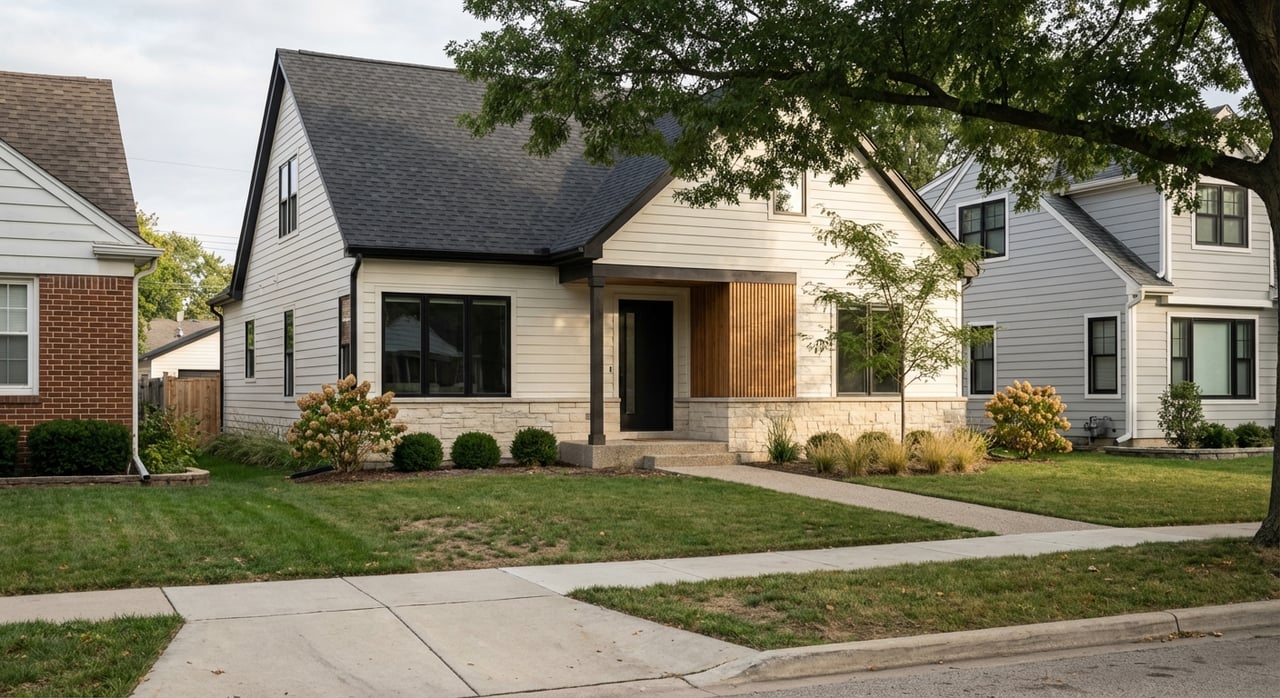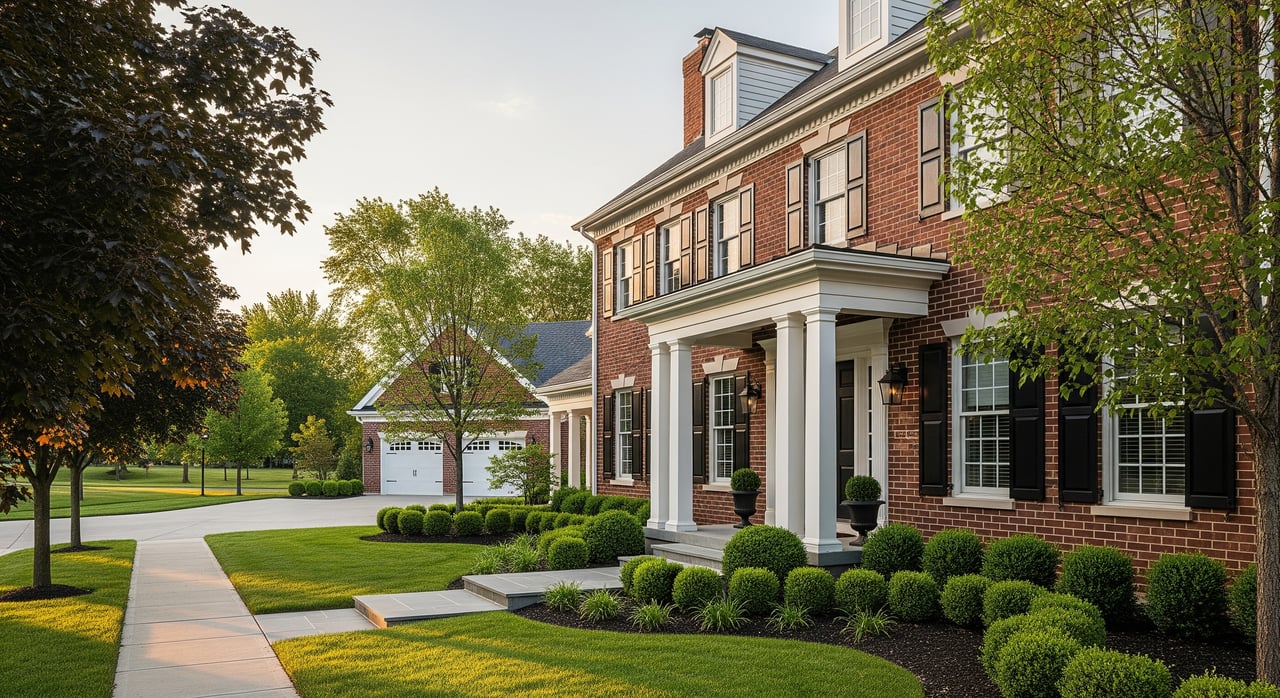
Thinking about a move in Zionsville but unsure how to read the market signals? You are not alone. Inventory, days on market, and price bands can shift quickly, and each neighborhood behaves a little differently. In this guide, you will learn how to read Zionsville’s micro-markets, what key metrics mean for your timing and budget, and how to plan your next step with confidence. Let’s dive in.
How to read the market
You can get a clear picture by focusing on three metrics that move together:
- Months of inventory (MOI): Active listings divided by monthly sales. Under 3 months often favors sellers, 3 to 6 months is more balanced, and over 6 months leans to buyers.
- Days on market (DOM): Look at 30, 60, and 90-day medians. Trends matter more than a single snapshot.
- Sale-to-list price: The median percent of the list price that homes receive at closing shows how much negotiating power buyers and sellers have.
Recent years brought tighter inventory and fast sales, followed by some easing as mortgage rates changed. In Zionsville, lower price points often stay tighter, while higher-end segments can take longer to sell when rates rise. Track MOI and DOM by price band to see where leverage is shifting.
Price bands that matter
Entry-level homes
These include smaller single-family homes, townhomes, and condos. They often have lower MOI and faster DOM because more buyers compete at this price point. When rates fall or inventory tightens, negotiation room narrows and well-priced listings move quickly.
Move-up family homes
Think 3 to 5-plus bedrooms in established or newer subdivisions. Demand is steady, but buyers are sensitive to monthly payment changes. MOI in this band can swing with mortgage rates, school boundary considerations, and how many listings hit the market during peak seasons.
Luxury and acreage
Custom builds, larger lots, and equestrian properties tend to have higher MOI and longer marketing periods. Pricing is more bespoke and appraisals rely on fewer comparable sales. Expect more time on market and larger price adjustments if demand softens.
Zionsville micro-markets
Historic core and older areas
Walkable streets and character homes often command strong price-per-square-foot when well maintained. Turnover can be low. Buyers here may prioritize location and character over new finishes, so DOM can be steady even if overall town metrics fluctuate.
Established subdivisions
These 2000s–2010s neighborhoods attract move-up buyers seeking space and convenience. Values track closely with recent comparable sales and school boundaries. Supply and demand are usually steady, which makes pricing and staging strategy critical.
Newer, amenity-rich communities
Master-planned areas with pools and trails can show more active inventory during new-build phases. Price discovery is faster as builders release product, so keep an eye on MOI and the new-listings-to-pendings ratio to gauge absorption.
Acreage and equestrian
These properties sell to niche buyers, so DOM is often longer. Appraisals may be conservative due to limited comps. Plan for longer timelines and detailed due diligence on utilities, outbuildings, and maintenance.
Townhomes and small-lot infill
These can offer a lower entry price and appeal to downsizers or first-time buyers. Turnover can be relatively higher but sensitive to any surge in new supply.
What the signals mean for you
Watch for these patterns at the neighborhood and price-band level, not just town-wide:
- Stable or falling MOI, low DOM, and high sale-to-list price indicates a continuing seller advantage.
- Rising MOI, lengthening DOM, and increasing price reductions suggests buyers are gaining leverage.
- If one school-boundary cluster is tightening while another softens, check for new listings, policy shifts, or recent development nearby.
Timing your move
If MOI in your target move-up band is rising and DOM is stretching, you may have room to negotiate price or repairs. If MOI is under 3 months and sale-to-list ratios are high, prepare for competitive terms and faster decisions.
Seasonally, spring brings more listings and more buyers. Families often align moves with the school calendar. Small seasonal price differences usually matter less than getting the right house and securing financing that fits your budget.
Budgeting smart in Boone County
Plan beyond the purchase price so your monthly costs are clear:
- Property taxes: Indiana’s effective rates are generally modest compared to many states, but bills vary with assessed value. Verify details with the Boone County Assessor.
- HOA dues and assessments: Newer subdivisions often have HOAs. Confirm dues, special assessments, and reserve health in the HOA documents.
- Utilities and maintenance: Larger lots, septic systems, pools, and acreage increase ongoing costs. Equestrian setups require additional insurance and upkeep.
- Closing and moving costs: Factor lender fees, inspections, modest state and county fees, and relocation expenses into your cash plan.
Financing and purchase strategy
- Conforming vs jumbo: Check the current conforming loan limit to see if your loan will be jumbo. Jumbo loans can have different rates and underwriting.
- Bridge and contingency options: If you need to buy before you sell, consider a bridge loan or a HELOC. Contingent offers are more viable when MOI is higher and inventory is stable.
- Go beyond pre-qualification: Strong pre-approval with documented income and assets can improve your negotiating power, especially in tighter segments.
Simple data checklist
Pull these metrics for the town and for your target neighborhoods, then date-stamp your findings:
- Active listings, new listings, pendings, and closed sales over the last 30, 60, and 90 days.
- MOI by price band: entry-level, move-up, luxury.
- Median DOM and the share of sales that close within 14 days.
- Median sale price and sale-to-list-price ratio.
- Share of listings with price reductions and the typical days-to-first-reduction.
For school-related context, verify boundaries and district details with Zionsville Community Schools and consult widely used rating resources. For market and tax data, use local MLS reporting, the Boone County Assessor, and state or national association summaries for broader trends.
For relocators comparing towns
If you are weighing Zionsville against other Boone County options, compare these side by side:
- Median sale prices for similar home types and lot sizes.
- MOI and DOM by price band to see where leverage is shifting.
- HOA structures, commute patterns, and neighborhood amenities that fit your lifestyle.
A clear comparison helps you see whether paying a premium for a specific micro-market aligns with your priorities.
Work with a local guide
Zionsville is not one market. It is a set of micro-markets where pricing, timelines, and negotiation norms vary street by street. If you want a neighborhood-level read with current numbers and a step-by-step plan for buying, selling, or both, connect with Lee Skiles for a personalized market brief.
FAQs
What is months of inventory in Zionsville?
- MOI is active listings divided by monthly sales; under 3 months often favors sellers, 3 to 6 months is balanced, and over 6 months leans to buyers.
How fast are homes selling right now?
- Speed varies by segment; entry-level often moves faster, while luxury and acreage can take longer, so check the latest DOM trend in your specific neighborhood.
When is the best time to list in Zionsville?
- Spring brings more listings and buyers, but the best time is when your target price band’s MOI is low and your home is show-ready.
How do schools influence home prices locally?
- Buyers often prioritize verified school information and boundaries; compare recent sales within the same boundaries to gauge pricing and days on market.
What should I budget beyond the purchase price?
- Include property taxes, HOA dues, utilities, insurance, maintenance, closing costs, and moving expenses to get a full picture of monthly and upfront costs.