Imagine stepping out your door to a paved path that leads to coffee, parks, galleries and concerts. If you are considering a move to Carmel, living near the Monon Trail can give you that easy, everyday access. In this guide, you will learn how the corridor works, which neighborhoods line it, what housing to expect and the tradeoffs to consider. Let’s dive in.
What the Monon Trail offers
Recreation and connectivity
The Monon Trail is a multiuse path that runs north to south through Carmel, connecting the Arts & Design District, City Center, Midtown, and the 116th to 126th corridor near Clay Terrace. It continues north into other suburbs and south into Indianapolis, which supports both short errands and longer rides. Many residents use it for daily runs, dog walks and quick bike trips to dining or coffee.
Amenities and maintenance
Along the Carmel stretch, you will find a paved path, benches, bike racks, marked crossings and lighting in select sections. Trailheads and access points provide practical parking and entry. The corridor is maintained by city partners, which helps keep it clean, safe and easy to use.
Events and activation
Public art, community programming and seasonal events often bring extra energy to the trail near downtown anchors. Farmer’s markets, concerts and festivals can draw crowds, especially on weekends. It adds vibrancy, but expect heavier pedestrian and bicycle traffic at peak times.
Neighborhoods along the Monon
Arts & Design District and City Center
Near downtown Carmel, you will see a denser mix of housing and storefronts. Streets here feel the most walkable, with access to galleries, restaurants and cultural venues around City Center. Housing options range from older homes and bungalows to townhomes and mid-rise condos.
Midtown to 116th–126th and Clay Terrace
Midtown blends residential with new construction, garden-style condos and townhomes, plus fitness studios and casual dining. As you move toward 116th to 126th, you approach retail and medical nodes, including the Clay Terrace area. The trail makes it simple to reach daily conveniences without getting in the car for every errand.
WestClay and Coxhall Gardens area
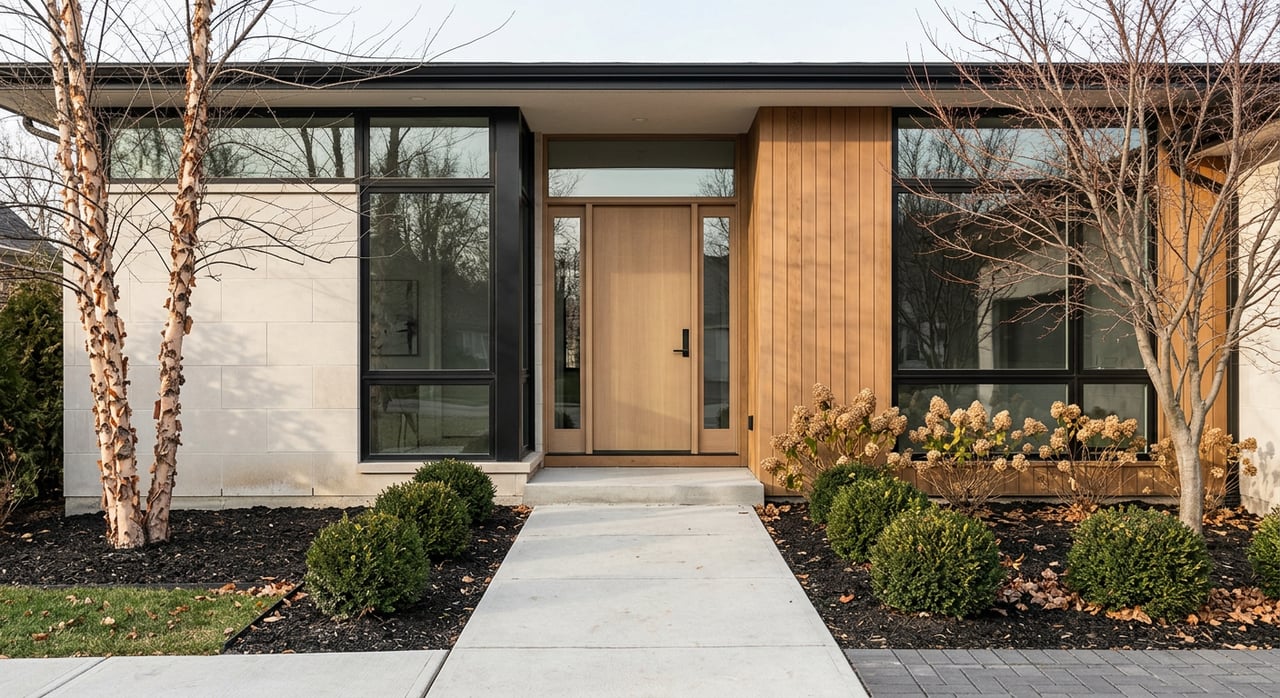
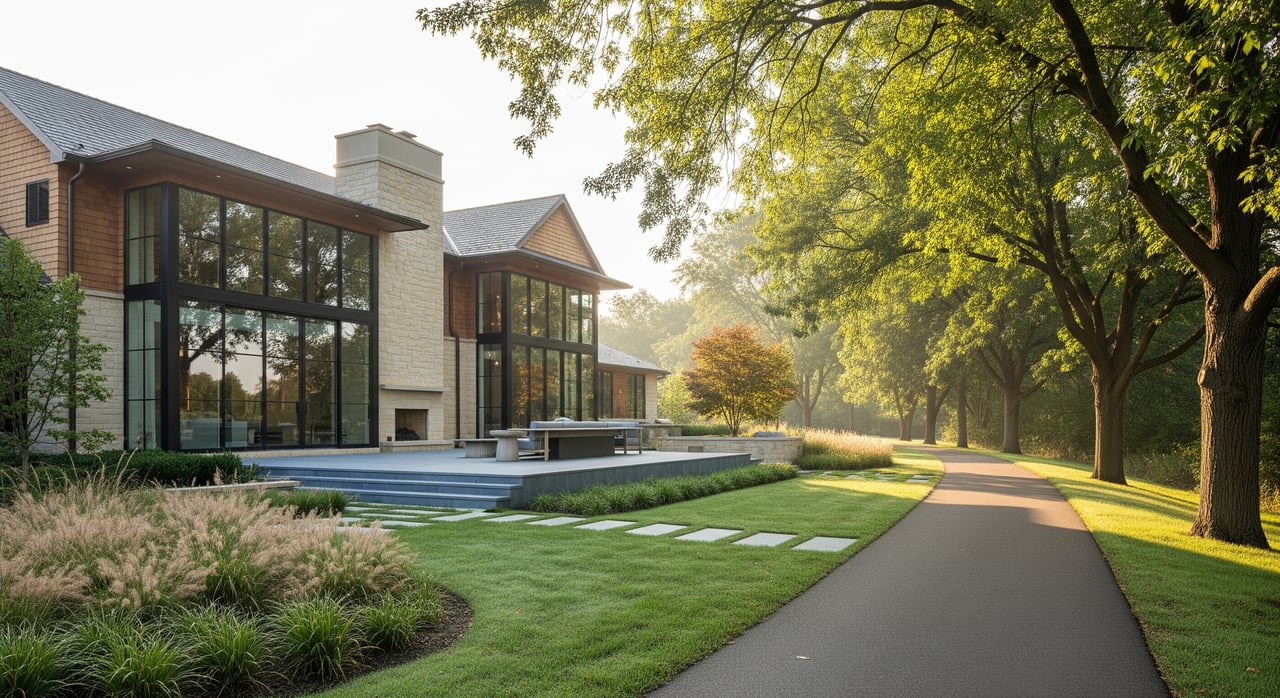
To the west and northwest, master-planned neighborhoods offer newer single-family homes on larger lots, as well as townhomes with trail access. Coxhall Gardens provides scenic grounds and community green space close by. The Village of WestClay area features planned streetscapes and HOA amenities that appeal to buyers seeking a polished neighborhood environment.
Housing types and HOA notes
Condos and townhomes
Closer to downtown and Midtown, you will find a growing number of condos and townhomes built from the 2000s to the 2020s. These often attract buyers who want low-maintenance living near shops and entertainment. Association dues typically cover exterior maintenance and shared amenities, which can simplify ownership.
Single-family options
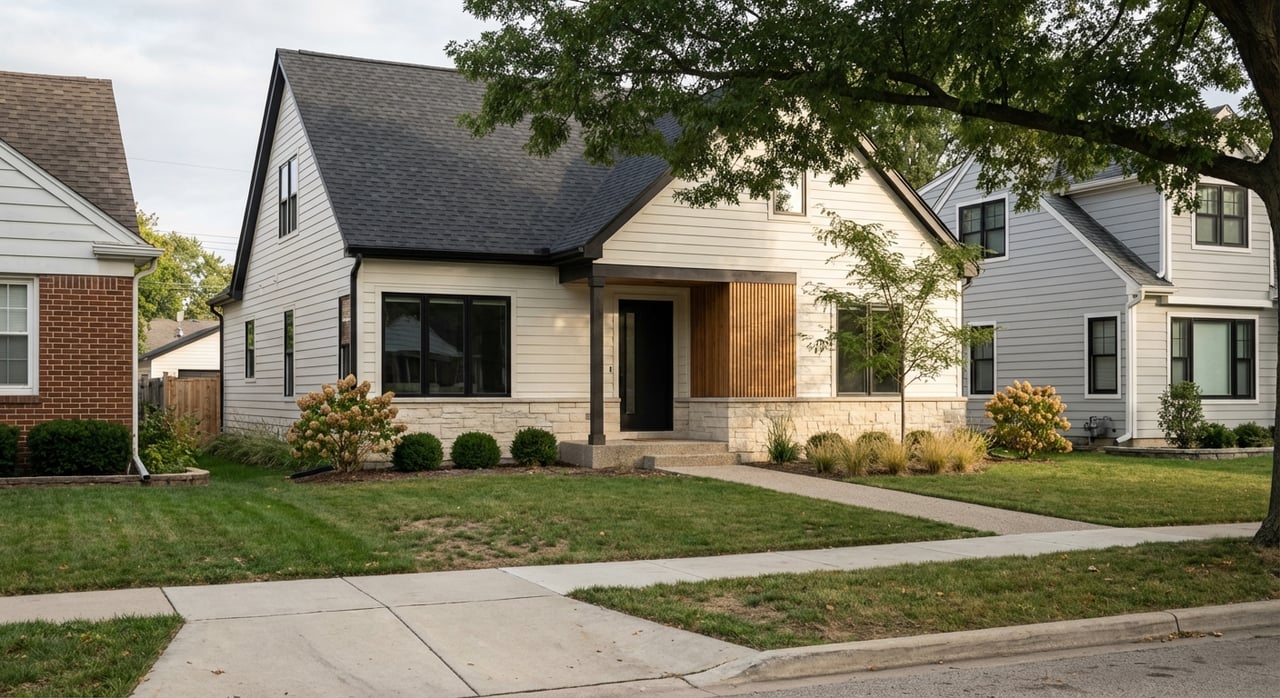
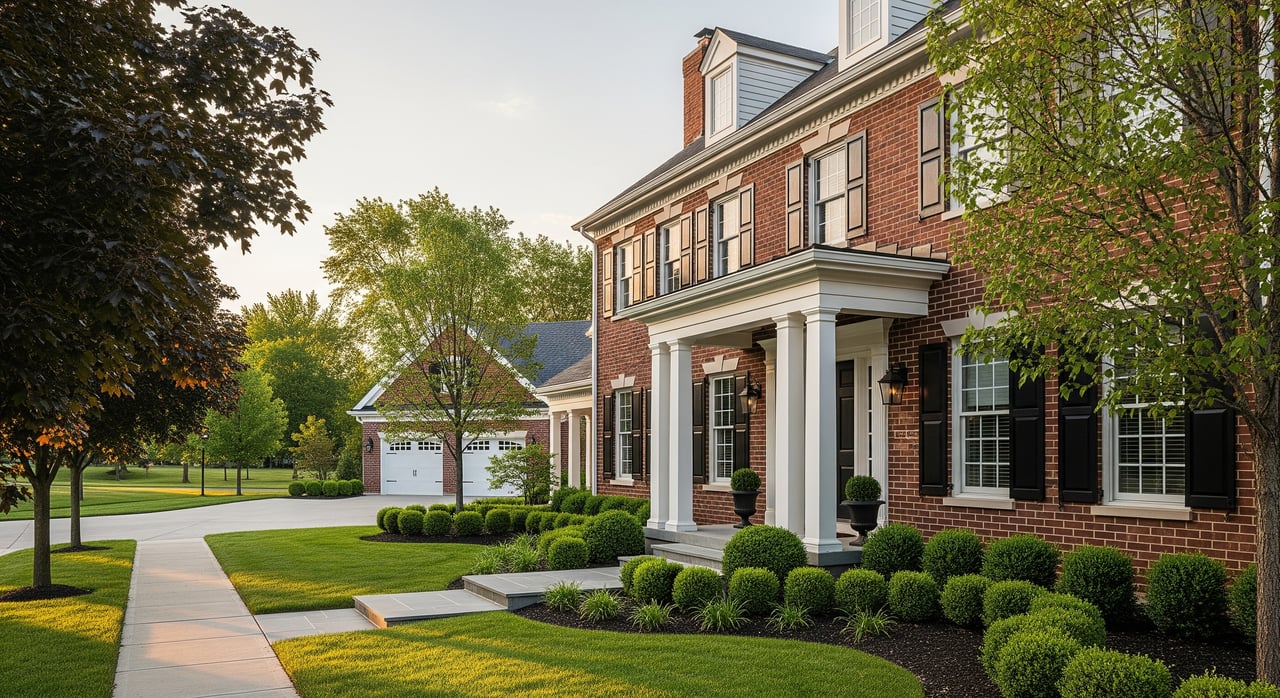
You will see a mix of older homes near the core and newer builds in master-planned communities west of the corridor. Established subdivisions offer mid-range options, while newer construction or larger lots tend to price toward the premium end. Exact pricing varies block by block and by housing type.
HOA and fees
Many newer developments include HOAs with design guidelines, maintenance coverage and community amenities. Downtown condos and townhomes usually have monthly dues. Older single-family neighborhoods are less likely to have an HOA, though policies vary by subdivision.
Lifestyle and walkability
Short trips and errands
Living along the Monon can turn small errands into quick walks or bike rides. Coffee, casual dining, fitness and specialty groceries cluster around the Arts & Design District, City Center and Midtown. You can often skip the car for a smoothie run or a lunch meet-up.
Parks and green spaces
Central Park, Coxhall Gardens and smaller neighborhood parks connect to the corridor and support daily outdoor time. Shelters, playgrounds and sports fields make it easy to plan family afternoons. The trail itself becomes a daily routine for runners, cyclists and dog owners.
Dining, culture and entertainment
You are close to Carmel’s cultural anchors and performance venues around City Center. Restaurants, bars and galleries line the Arts & Design District. Farther north, retail and mixed-use centers add convenience for errands and weekend plans.
Commute and transportation
Local trips vs. regional commuting
Carmel is primarily car oriented for regional commuting. The Monon shines for local mobility and recreation, not cross-town transit. Many residents bike to nearby offices or to run errands, then drive for longer commutes.
Parking and access
Parking near popular trailheads and downtown hubs can be tight during events and peak times. Plan ahead for weekend outings and major festivals. If a private garage or reserved parking matters, focus your search on properties and buildings that provide it.
Who trail living fits best
- Active lifestyle buyers who value daily access to a paved, safe path for running, biking and dog walking.
- Walkable-lifestyle seekers and downsizers who prefer lower-maintenance condos or townhomes near dining and entertainment.
- Families who want parks, programming and access to Carmel Clay Schools. Verify current school boundaries when comparing addresses.
- Professionals and remote workers who enjoy short, scenic trips to local offices, coffee shops and services.
Tradeoffs to weigh
- Expect a price premium near downtown anchors and in newer, well-amenitized communities.
- Popular sections can feel busy on weekends or during festivals.
- Multifamily buildings and walkable blocks may have less private parking and closer setbacks.
- HOA rules and dues can add cost and structure to your ownership.
Tips for choosing your spot
- Map your routine. List your top three weekly stops, then find trail segments that shorten those trips.
- Test the block. Visit at different times to check noise, parking and trail traffic levels.
- Confirm the details. Ask about HOA fees, pet policies, guest parking and bike storage.
- Plan the commute. Time your drive to work and school drop-off to gauge real-world traffic.
- Check boundaries. Verify school assignments and district lines for specific addresses.
- Review maintenance. Ask about lighting, snow clearing and event schedules near your block.
What to expect seasonally
Spring through fall
Trail usage climbs in warmer months. Expect more runners, families and cyclists, plus pop-up events and markets near downtown. Weekend energy can be high, which many residents enjoy.
Winter
Winter activity depends on snow clearing and weather, but many residents still use the trail for fresh-air walks. Lighting and maintenance policies matter more when daylight is limited. If year-round use is important to you, focus on well-maintained, lit sections.
Ready to explore homes near the Monon?
Living by the Monon Trail can reshape your daily routine, from quick coffee runs to easy park time with family. With options ranging from historic homes to new townhomes and master-planned communities, there is a fit for many lifestyles and budgets. If you want help comparing blocks, HOAs and walkability, reach out to Lee Skiles for a neighborhood-level consultation.
FAQs
What is daily life like near the Monon in Carmel?
- You can walk or bike to dining, parks and events, with a steady flow of trail users and a lively atmosphere near downtown anchors.
Are there HOAs along the Monon corridor?
- Many newer communities and most condo or townhome buildings have HOAs with monthly dues, while older single-family areas often do not.
How walkable are trail-adjacent neighborhoods?
- Walkability varies block by block; downtown sections feel the most walkable, while some subdivisions still require a car for larger errands.
Does living near the trail affect home prices?
- Proximity to the trail and downtown amenities often carries a price premium, especially for newer construction or larger lots.
How does the Monon impact commuting?
- The trail is great for local trips, but Carmel remains car oriented for regional commuting into Indianapolis and nearby employment centers.
What should families know about schools near the Monon?
- Most of Carmel is served by Carmel Clay Schools; verify current school boundaries for any specific address during your home search.