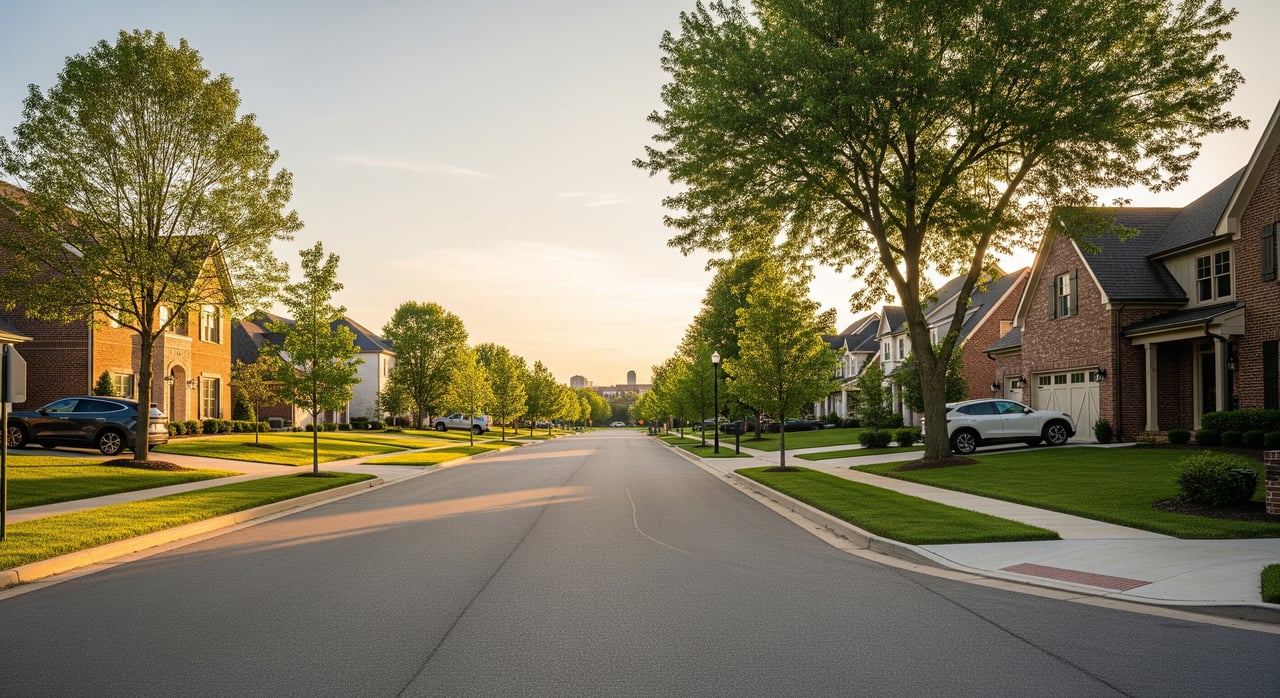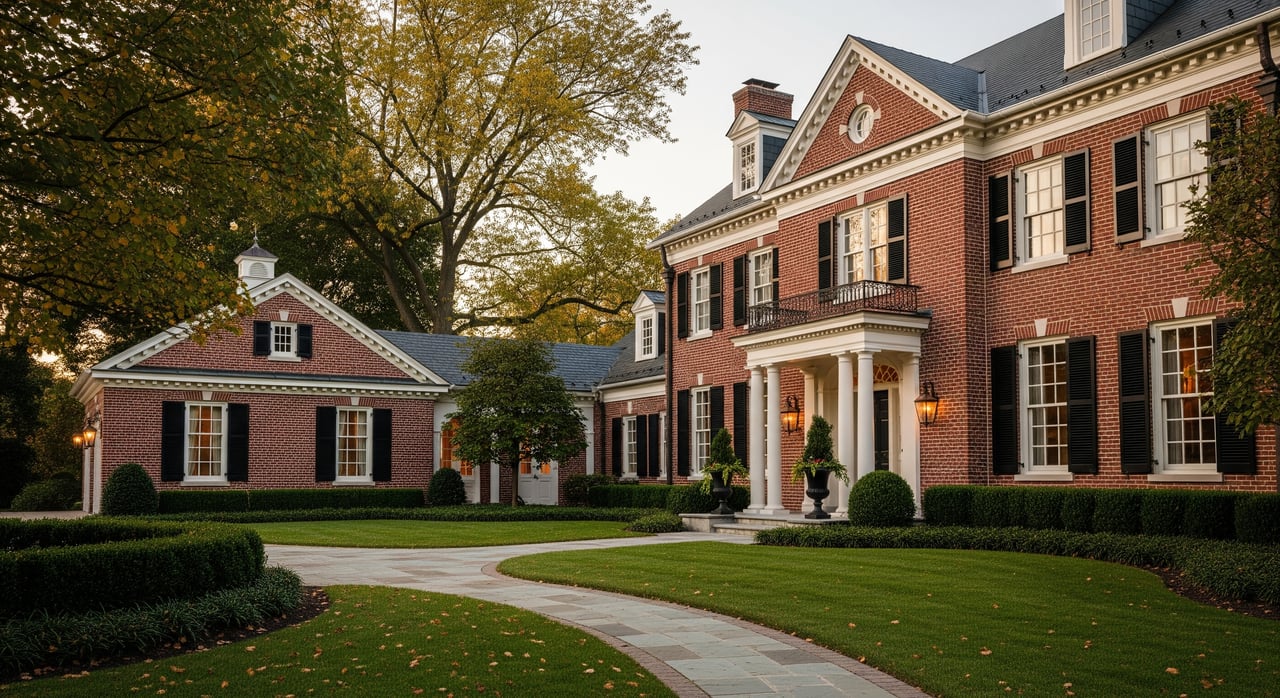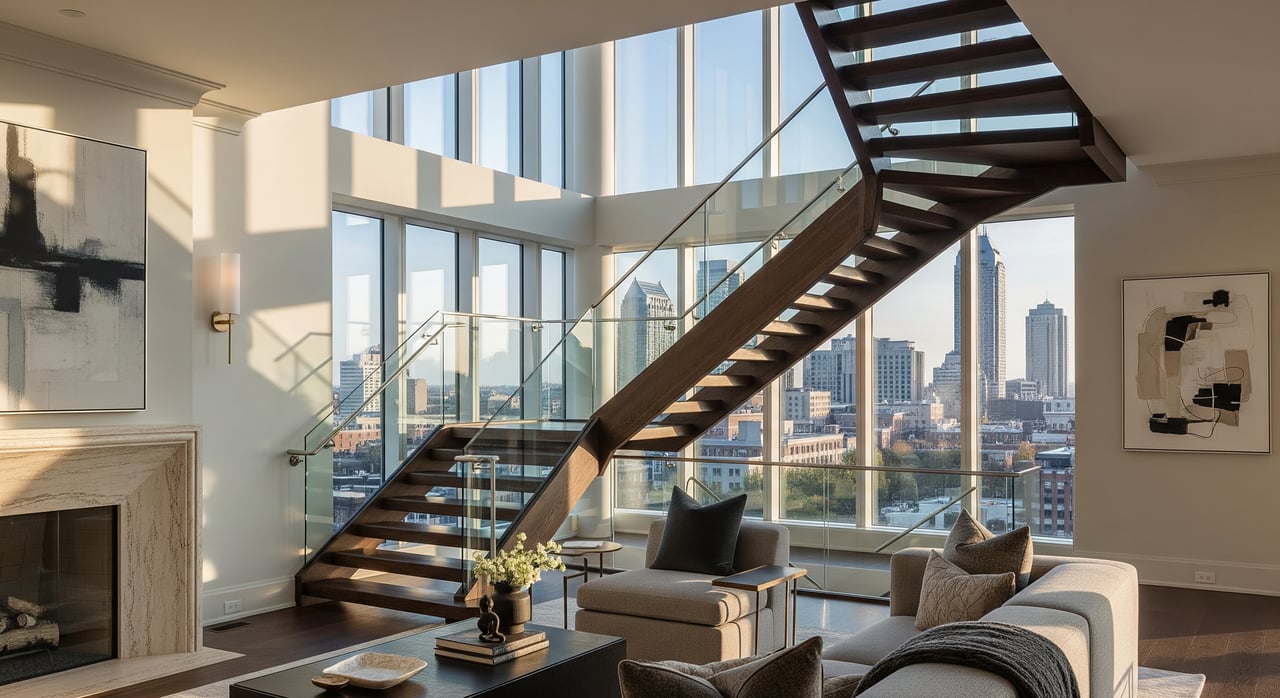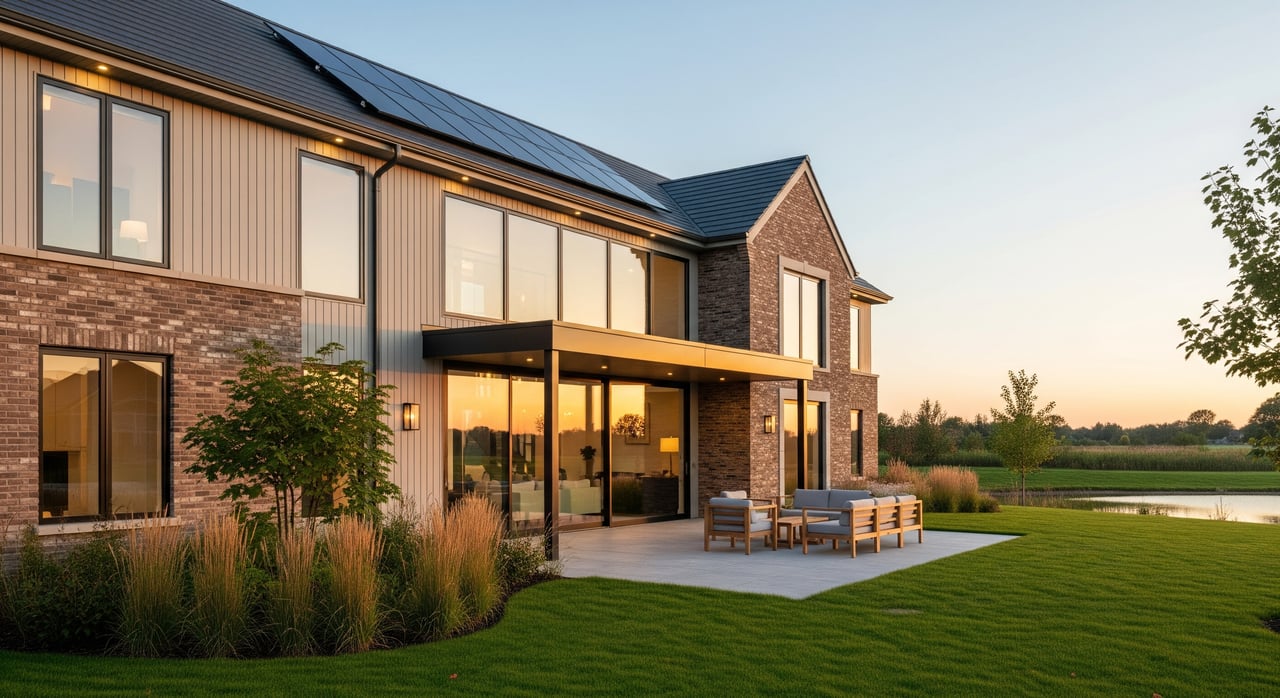
Considering a new home near Avon? You’re not alone. New neighborhoods are rising across Hendricks County, and model homes are tempting if you want modern design, energy efficiency, and fewer weekend projects. Still, choosing between a new build and a resale on Indy’s west side can feel overwhelming. In this guide, you’ll learn how new construction works around Avon, what features are trending, how timelines and costs stack up, and a simple checklist to compare options with confidence. Let’s dive in.
Why Avon is growing
Avon sits just west of Indianapolis, with convenient access to major commute routes and regional jobs. Hendricks County has seen steady residential growth, with many buyers choosing suburban single-family neighborhoods. This growth brings a wide mix of new-home choices.
You’ll commonly see these new-construction options:
- Master-planned communities with phased releases and multiple floor plans.
- Smaller infill or custom lots with more flexibility and higher per-square-foot pricing.
- Spec homes that are move-in ready or near completion.
- To-be-built homes where you choose the plan, lot, and finishes.
What you’ll see in new builds
Interior and tech features
Production builders around Avon often showcase open main floors with a large island and connected family room. Expect 9-foot main-floor ceilings, with options like tray ceilings in the primary suite. Kitchens frequently feature quartz or granite as upgrades, painted shaker cabinets, and subway tile backsplashes. You’ll see luxury vinyl plank in main areas, carpet in secondary rooms, and tile in baths.
Energy and tech get plenty of attention. High-efficiency HVAC, LED lighting, and programmable thermostats are common. Many communities offer smart-home prewiring, USB outlets, and security or EV charging prep. Always ask each builder for a written inclusions list, since “standard” can vary by plan and community.
Exteriors and lots
Elevation choices typically include Traditional, Craftsman, Farmhouse, or Modern with brick or stone accents. Covered porches, rear patios, and low-maintenance siding materials are common. Most homes include a 2-car garage, with 3-car or tandem upgrades available. Lot characteristics matter too. Corner, cul-de-sac, water-view, or walkout lots often carry premiums.
Buyer priorities trending now
Recent buyer preferences favor flexible work spaces, durable finishes that handle active households, and outdoor living that flows from the great room. Many shoppers ask about indoor air quality and energy performance. Single-level or main-floor primary layouts are also in demand for long-term convenience.
Spec vs to-be-built
Pros and cons at a glance
- Spec homes
- Pros: Immediate or near-term move-in, easier to finance like a resale, and you can walk the actual home before you buy.
- Cons: Limited customization and potential premiums for features already installed.
- To-be-built homes
- Pros: You choose the plan, lot, and interior selections, with the chance to tailor spaces like home offices or covered patios.
- Cons: Longer timeline and potential for cost growth if you add options or request changes mid-build.
Negotiation levers that work
Spec homes may allow negotiation on price, appliance packages, window coverings, or closing cost help. To-be-built leverage often centers on lot premiums, closing cost credits, rate buydowns, or targeted upgrades. Incentives vary by builder and market conditions, so ask for current promotions and whether they require a preferred lender.
When a resale may fit better
If you need to move soon and want established landscaping or a mature neighborhood feel, resale homes can be a strong fit. They may also offer more location choices closer to services. Weigh that against potential renovation needs and higher ongoing maintenance compared to a new build.
Timelines and process
Steps from contract to keys
- Contract and deposits for the lot, plan, and options.
- Design selections for finishes and upgrades.
- Site work and permitting.
- Construction phases from foundation to drywall, trim, and finishes.
- Final inspections, certificate of occupancy, closing, and move-in.
How long it takes in practice
Spec homes can be ready within weeks or a few months, depending on remaining work. To-be-built timelines commonly range from about 4 to 12 months from contract to completion. Actual timing depends on the builder’s backlog, plan complexity, permit lead times, and weather. Always ask for each builder’s current “months to delivery” for your selected lot and plan.
Delays to plan around
Indiana winters affect excavation and site work. Permit and inspection schedules can vary with the Town of Avon or Hendricks County, depending on where the property sits. Supply chain and trade availability can also shift timelines, especially for cabinets and appliances. Change orders after selections often add both cost and time.
Budgeting your build
A clear budget helps you compare new construction to resale. Include these categories:
- Base price versus a resale listing price.
- Lot premium for location, views, or walkout potential.
- Options and upgrades such as countertops, flooring, baths, and structural changes.
- Landscaping, sod, driveway, fencing, and exterior additions.
- Closing costs and loan fees, including any requirements attached to preferred lenders.
- HOA fees, amenity fees, and any community capital contributions.
- Utility connections and impact fees if applicable.
- Short-term housing, storage, or rent-back options if timing is tight.
- Long-term costs and savings, including lower utility bills and fewer immediate repairs in new homes.
Financing options to ask about
- Standard mortgages for completed spec homes, similar to resale.
- Construction-to-permanent loans for to-be-built homes, which may be single-close or two-close.
- VA, FHA, and conventional programs that can apply to new construction, subject to lender approval.
- Builder incentives like closing cost help or rate buydowns, sometimes tied to preferred lenders.
Confirm how construction draws are handled, whether interest is charged during construction, and what conditions apply to incentives. Also get warranty terms in writing. Many builders use frameworks such as 1-year workmanship, 2-year mechanical, and 10-year structural coverage.
Researching builders and subdivisions
Where to look locally
Start by touring model homes and active phases in Avon's new communities. On-site sales teams can share current base pricing, standard features, option sheets, and timelines. You can also review building-permit activity with the Town of Avon or Hendricks County to see where new phases are active. Regional MLS data helps you compare active new-construction listings to resale options.
You’ll find a mix of national and regional production builders alongside local and custom builders. National names often run design centers and standardized packages. Local builders may offer more flexibility on plan tweaks or unique lots.
Reputation, quality, and warranty checks
- Read recent customer reviews and note patterns in feedback.
- Verify licensing and local registration with town or county building offices.
- Ask for references and tour completed homes in the same community.
- Request written warranty documents, including how to submit service claims and expected response times.
HOA, utilities, and infrastructure
Many new subdivisions have HOAs with design guidelines and maintenance expectations. Request the covenants, conditions, and restrictions early. Confirm utilities such as sewer versus septic, municipal water, and stormwater practices. Ask about future community phases, road work, or construction that could affect noise and access.
Buyer checklist
Use this checklist to compare communities and builders side by side:
- Delivery timeline for the plan and lot you want.
- Written inclusions list and current pricing for your must-have options.
- Lot premium, boundaries, grading, and drainage observations.
- Warranty terms, service process, and contacts.
- Required deposits, which funds are refundable, and cancellation terms.
- Lender choices and whether incentives require a preferred lender.
- HOA documents, fees, amenity details, and any special assessments.
- Any rental restrictions if you plan to lease the home in the future.
Next steps
New construction around Avon gives you modern layouts, energy savings, and the chance to personalize your home. Resale homes can offer quicker moves and established neighborhoods. The best choice depends on your timing, budget, and the features you value most. If you want help comparing specific builders, walking lots, or mapping a realistic timeline, let’s talk.
Have questions or want to tour models and nearby resales on Indy’s west side? Reach out to Lee Skiles for a friendly plan that fits your goals.
FAQs
How long does new construction take around Avon?
- Spec homes may be ready in weeks or a few months, while many to-be-built homes range from about 4 to 12 months depending on builder backlog, plan complexity, permitting, and weather.
Can you negotiate price on a new build?
- Spec homes often allow price and closing cost negotiation, while to-be-built homes vary by demand; incentives may include closing cost help, rate buydowns, or specific upgrades.
What is usually included in a builder’s base price?
- Base pricing typically covers the structure with standard finishes; popular items like upgraded counters, LVP flooring, tile showers, and certain appliances may be options, so get the inclusions list in writing.
Do new homes reduce utility costs compared to resale?
- Many new homes feature efficient HVAC, better insulation, and LED lighting, which can lower energy usage compared to older homes; actual savings vary by design and household habits.
Which loan types work for new construction?
- Completed spec homes often use standard mortgages, while to-be-built homes may use construction-to-permanent loans; VA, FHA, and conventional programs can apply subject to lender guidelines.
How do change orders affect time and cost?
- Changes after selections can add material and labor costs and extend the schedule; confirm the builder’s policy, cutoff dates, and fees before you sign.
What should I know about HOAs in new subdivisions?
- Expect design guidelines, maintenance standards, and community rules; review CC&Rs, fees, amenities, and any capital contributions before committing to a lot.
How should I think about resale value for a new build?
- Lot location, build quality, community amenities, and proximity to services influence future demand; mature landscaping and neighborhood development over time can also matter.