Want to cut minutes off your daily drive without giving up parks and trail time on the weekends? If you are comparing Westfield neighborhoods, where you live relative to US-31 and the Monon Trail can make a real difference. You want a place that fits how you commute and how you live day to day. In this guide, you’ll learn how Westfield’s zones stack up for car and bike access, what tradeoffs to expect, and a practical way to test routes before you buy. Let’s dive in.
How to think about commutes in Westfield
Westfield is shaped by three main corridors: US-31 for north-south driving, a series of east-west arterials like SR 32 and 161st for cross-town trips, and the Monon Trail for active commuting toward Carmel and, with connections, into Indianapolis.
- US-31 is the primary auto route for reaching Carmel and downtown Indianapolis. It is usually the fastest by car, with easy on-off points throughout Westfield.
- East-west arterials like SR 32, 161st, and 146th connect you to US-31 and neighboring job centers in Carmel, Noblesville, and Fishers. Peak-hour signals can slow things down, so alternate routes matter.
- The Monon Trail offers a safe bike and e-bike path to downtown Carmel and links to broader trail networks. It is a strong lifestyle benefit and can support commuting if your job is trail-adjacent and offers bike parking.
- To reach downtown Indy, many drivers use US-31 to I-465. Your route will depend on your home’s distance to US-31 and how you hit the beltway.
Your best-fit neighborhood depends on whether you favor car-first access, trail-based flexibility, or a blend of the two.
Zone comparison: which areas fit your commute
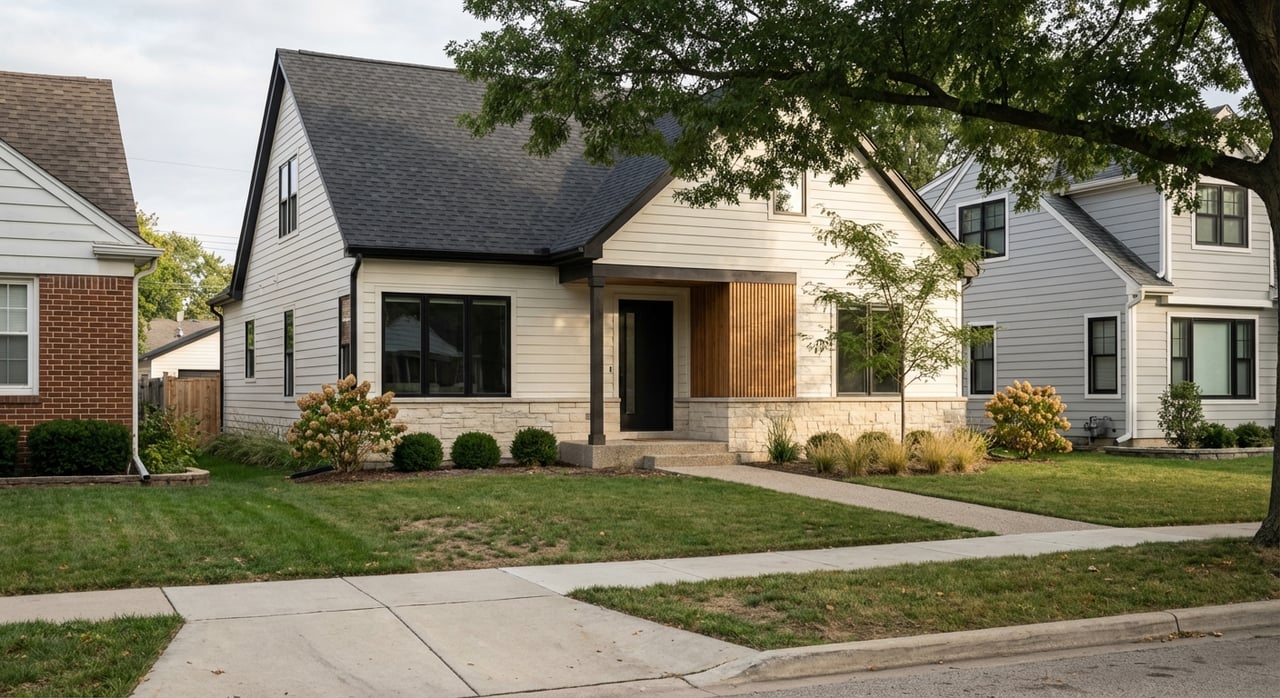
Downtown Westfield / Historic Core
- Commute snapshot: Quick access to SR 32 and reasonable drives to Carmel and central Westfield. Monon access is typically a short bike or walk from the core.
- Lifestyle snapshot: Walkable restaurants, small-town shops, and nearby parks. Great for short local trips and a connected neighborhood feel.
- Tradeoffs to consider: Older street grids and smaller lots are common. Parking can be tighter if your household has several cars.
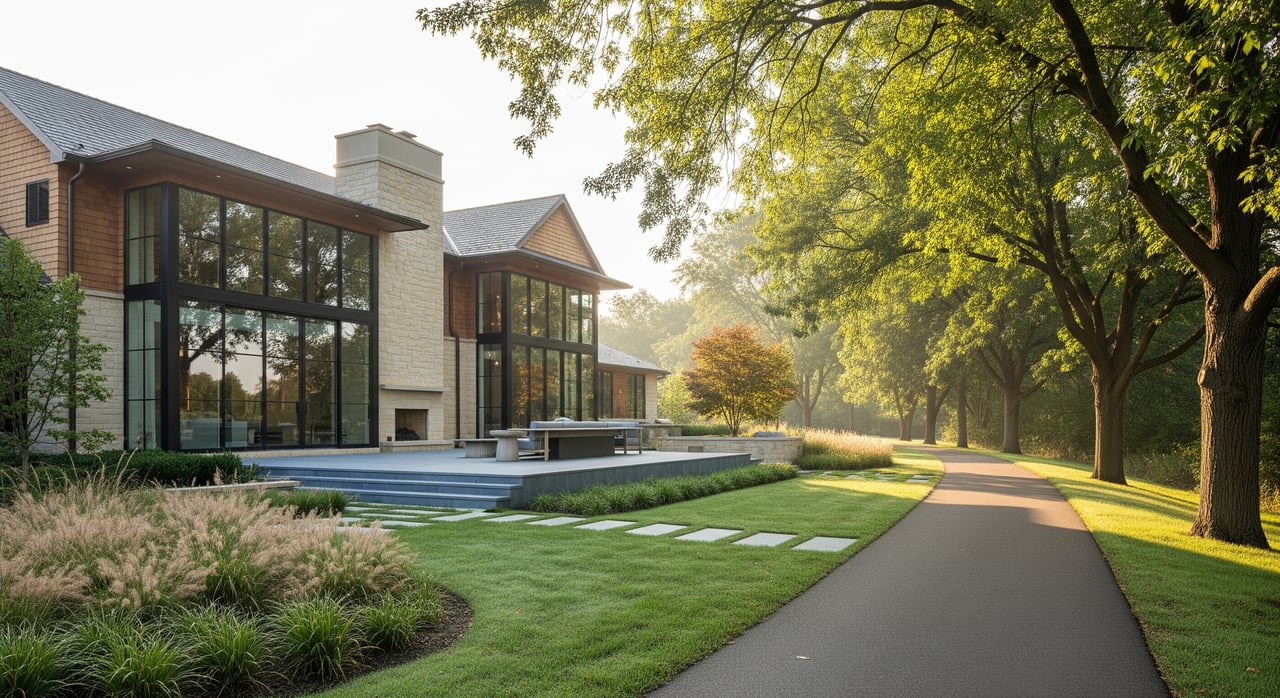
Monon corridor neighborhoods
- Commute snapshot: Best for active commuting. You can bike or e-bike directly toward Carmel and connect to regional trails. Driving to US-31 is still straightforward via local connectors.
- Lifestyle snapshot: Strong access to trails, parks, and cafes. Daily errands and outdoor time often happen without a car.
- Tradeoffs to consider: Trail-adjacent homes can command premiums and may see more foot and bike traffic. Winter weather reduces biking utility.
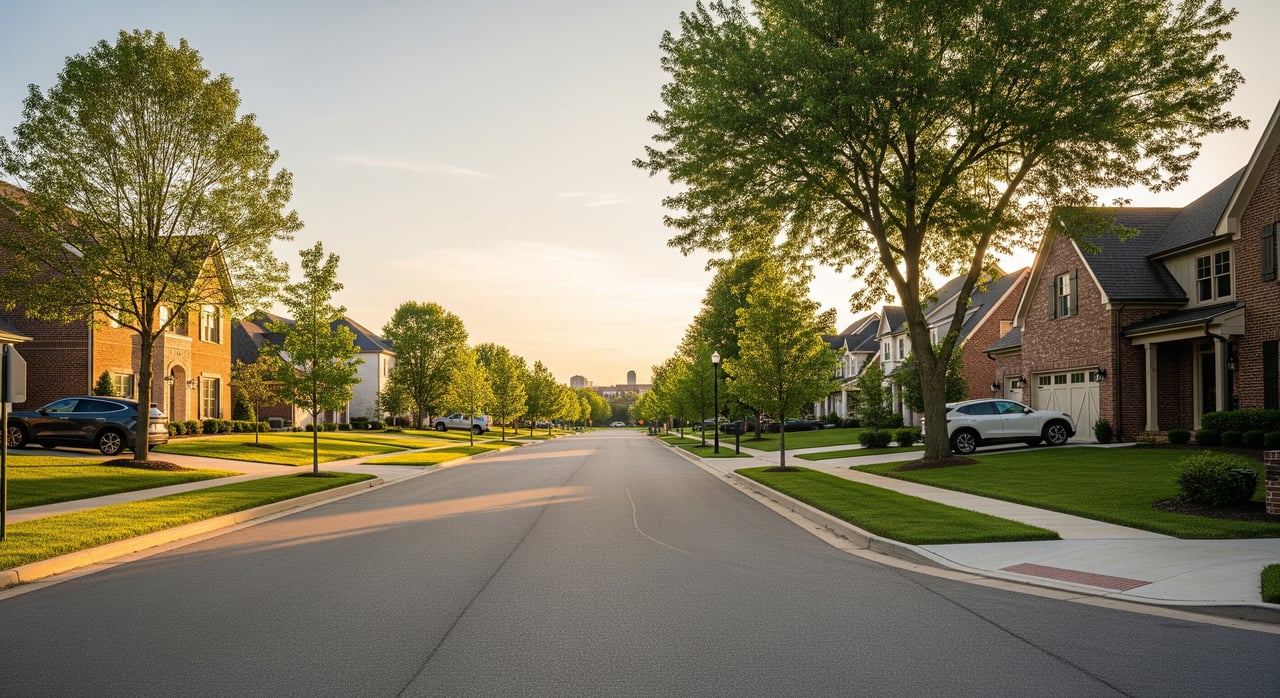
US-31 adjacent neighborhoods
- Commute snapshot: Fastest auto access for north-south travel to Carmel and downtown Indy. Ideal if you prioritize driving time.
- Lifestyle snapshot: Convenient shopping near highway interchanges. Some subdivisions sit just far enough from the highway to soften noise.
- Tradeoffs to consider: Expect heavier local traffic and potential noise. Pay attention to sound buffers, landscaping, and how easily you can turn in and out at peak hours.
Northern Westfield / Grand Park area
- Commute snapshot: Immediate access to Grand Park and routes north and south. Depending on location, it can be a longer drive to Carmel during peak times.
- Lifestyle snapshot: Excellent for families who love sports and big parks. Newer neighborhoods and plenty of recreation options are common nearby.
- Tradeoffs to consider: Event weekends can bring congestion on local streets and US-31 ramps. Expect more visitor traffic during tournaments.
Outlying and edge neighborhoods
- Commute snapshot: Quieter, sometimes larger lots, with a longer first mile to reach US-31 or Monon access.
- Lifestyle snapshot: More privacy and green space, less daily walkability to shops and trails.
- Tradeoffs to consider: Longer drives for daily errands and work. Check lighting and width of local roads and how winter weather affects travel.
Car, bike, or both: pick your primary mode
A smoother routine starts with the mode you will use most days.
If you drive daily
- Prioritize proximity to US-31. Even a few extra minutes to reach the highway add up across a week.
- Test turning movements. Practice the lefts and rights you will make at peak times from candidate streets.
- Check east-west options. If SR 32 or 161st backs up, look for alternate routes from your neighborhood.
- Review planned improvements. Ask about any INDOT or city projects that could change flow, access, or noise.
If you want to bike or e-bike
- Confirm your nearest Monon access point. Measure the distance and grade from the home to the trail.
- Map the full route to work. Make sure your employer is trail-adjacent or has safe last-mile connections and bike parking.
- Think about seasons. Decide how you will handle winter and dark hours, including lighting and reflective gear.
- Consider e-bike range. A pedal-assist can make daily rides realistic on longer stretches.
If you split modes
- Look for Monon access with quick US-31 connectors. This gives you weekday flexibility and strong weekend recreation.
- Plan for school and childcare stops. Combine routes so your drop-offs do not add unnecessary backtracking.
Lifestyle factors that affect commute choice
Your non-work life can shape the best neighborhood just as much as your job location.
- Grand Park event patterns: Tournament weekends bring visitors and traffic in the northern zone. Living close can be a perk for sports, but it can slow errands on Saturdays.
- Parks and greenways: Trail and park proximity supports more walkable free time and can reduce short car trips.
- School and childcare timing: The school run changes your commute window. Align your route with drop-off and pick-up to keep total drive time down.
Buyer checklist: test your top routes
Before you fall in love with a home, test the commute like a local. Use this step-by-step plan on a few finalists.
- Simulate peak travel times
- Plug your home and work addresses into Google Maps or Waze. Run tests for a typical weekday at your planned leave times.
- Drive your exact route
- Do a full door-to-door test during the morning and evening peaks. Include school and childcare stops to see the true time budget.
- Check weekend traffic patterns
- If you are considering the Grand Park area, visit on a tournament weekend. Note ramp queues, neighborhood cut-throughs, and grocery runs.
- Evaluate US-31 proximity
- Stand outside the home during peak hours and after dark. Listen for noise, check sight lines, and practice turns at nearby signals.
- Assess Monon commuting
- Bike or e-bike your potential route to work. Confirm bike parking and showers at your workplace if that matters to you.
- Ask about projects and maintenance
- Verify any planned road or trail work and typical winter maintenance schedules for your key streets and paths.
Putting it together: matching zones to your goals
If you are car-first and time-sensitive, US-31 adjacent neighborhoods often deliver the shortest drives. Be thoughtful about noise and turning movements, and look for subdivisions with buffers. If an active, trail-forward lifestyle is your priority, the Monon corridor shines and can make weekday trips to Carmel easy by bike. If you want small-town walkability and easy access to local shops, the Downtown Westfield core is a strong fit. For families who live at the fields on weekends, the Grand Park area offers unmatched convenience with a known tradeoff on tournament traffic. If you prefer more space and quiet, edge neighborhoods deliver that feel at the cost of a longer first mile to main corridors.
Remember that reported travel times online rarely reflect your unique schedule. Real-world testing during your actual commute windows, school runs, and weekend errand times is the best way to compare homes.
Next steps with a local guide
You have a clear picture of how Westfield’s zones compare. The next move is to align a short list of neighborhoods with your work location, school schedule, and weekend routines. I can help you map candidate areas, test routes, and tour homes that match your commute and lifestyle goals.
If you are ready to narrow your options or want a custom commute plan for Carmel, Noblesville, or Westfield, reach out to Lee Skiles. We will build a short list and preview top homes around your commute windows so you can feel confident in your choice.
FAQs
What Westfield area is best for fast US-31 access?
- Neighborhoods immediately east or west of US-31 usually offer the quickest auto access, with a tradeoff of more traffic and potential noise near busy intersections.
Is the Monon Trail realistic for daily commuting from Westfield?
- Yes if your employer is near the trail and offers bike parking; test the full route, consider e-bike range, and plan for winter and dark-hour rides.
How does Grand Park impact weekend driving for nearby residents?
- Tournament weekends can bring heavier visitor traffic on local streets and interchanges, so errands may take longer during large events.
Are downtown Westfield homes good for walkability and commuting?
- The historic core offers walkable amenities and reasonable drives to Carmel and central Westfield, with smaller lots and older streets as common tradeoffs.
What should I test before buying near US-31 in Westfield?
- Visit during peak hours and after dark to assess noise, practice key turns at signals, and confirm any planned road improvements that might affect access.